
Business valuations in the time of COVID
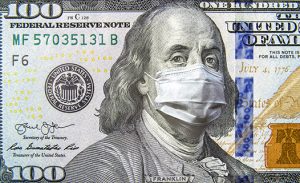
We are in the middle of a once-in-a century pandemic, but life (mostly) goes on. And the need for business valuations has not gone away. People are still selling their businesses, getting divorced, buying out partners and planning for their futures.
People are wondering if they should get a valuation now or wait until there is some semblance of normalcy. Some business owners (those going through a divorce) simply do not have the luxury of waiting to get their business valued.
Others can consider waiting. However (in my opinion), there appears to be no end in sight to the fallout from COVID. I hope I am wrong. Even so, the question remains – will the new normal post-COVID look anything like the pre-COVID normal? It is complicated.
For valuation experts, we are in uncharted territory. That said, this is how I look at valuing businesses during these crazy and unsettling times.
For context, the process for valuing a mature and stable business in normal times centers on assessing historical earnings. The theory being that the business – absent an external event and taking into account the macro industry and economic environment, should be able to continue generating consistent levels of earnings into the future.
Well, we now have an external event. The question is: How does that affect the company’s prospects?
I view businesses in the following broad categories based on their financial performance during the pandemic. These categories and my approach to their valuations are outlined below:
Unchanged
These businesses have not been affected by the pandemic. Examples include essential businesses such as the trades, and those who already operated totally on-line.
The approach to valuing these businesses is unchanged from the pre-COVID world. In this case, historical earnings can be a good indicator of future performance.
Changed Temporarily
Some businesses have suffered during the pandemic while others have seen a boon. Businesses that have suffered include those that require some in-person interaction to be effective, such as trial attorneys. Although many have adjusted their business model to accommodate the pandemic, most will not rebound to pre-pandemic levels until COVID is behind us.
Conversely, some businesses have benefited due to the pandemic. These businesses typically thrive in a down economy such as hobby shops, or cater to in-home activities such as exercise equipment. Similar to those who have suffered, these businesses will likely return to pre-COVID performance when the dust settles.
In both cases, the valuator should prospectively consider earnings (including a short-term down or up-turn) until which time the business again reaches consistent and sustainable earnings. These forecasted earnings should be the basis for the valuation.
Changed Permanently
These businesses have been profoundly affected by COVID. Those that have survived have drastically changed their business model to accommodate social distancing. Examples include virtual trade conferences and remote working. Assuming these changes have been successful, it is unlikely that these businesses will fully revert to pre-COVID operations once the virus is contained.
In this case the old business model potentially gets thrown out the window. The valuation will need to be based on projected earnings based on the new reality,
I hope this provides some clarity. If you would like a valuation of your business, please give me a call. I would be happy to help.